Black Mold?
Don't Take Chances! Call the Top Black
Removal Company in Liberty and get cleaned up FAST!



Why Choose Us?
- Certified Pros
- Available 24/7/365
- Rapid Response
- Fully Licensed And Insured
- We Work With Your Insurance Company
Call Now (816) 856-7990
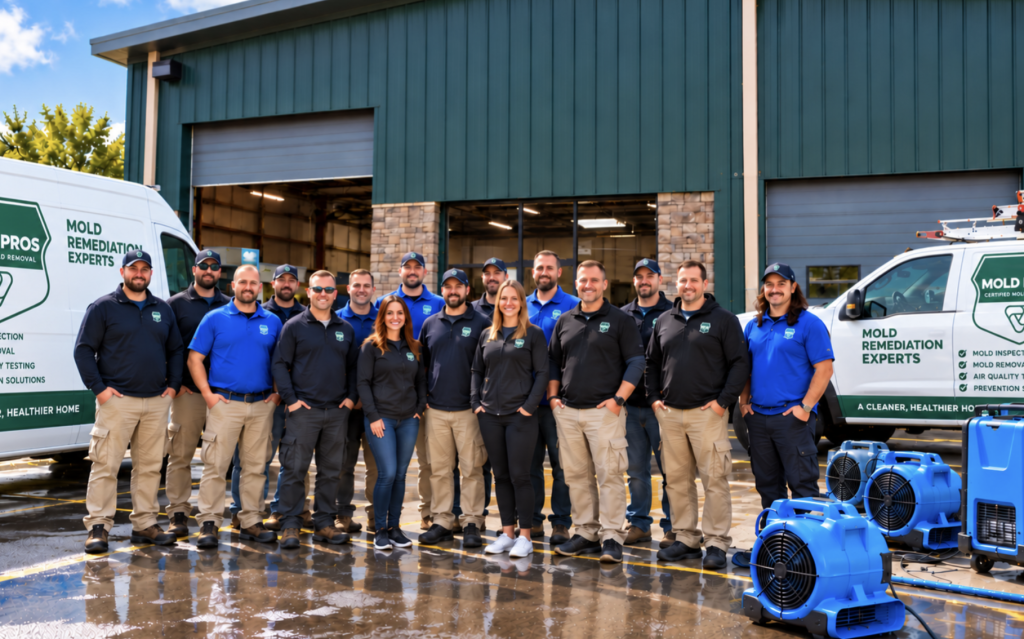
Professional Mold Removal in Liberty, Missouri
When mold appears, the visible spot is only part of the problem. Our team looks for the moisture source, protects unaffected areas, and plans cleanup around the materials involved. We serve homes, apartments, offices, schools, medical facilities, and other properties in the Kansas City area and nearby communities. The goal is to remove affected material safely and leave the area ready for the next repair decision.
What Can Cause Mold Problems in Liberty Properties?
We begin by discussing what you noticed, when it appeared, and any recent water event. We then examine accessible areas for moisture, staining, odor, damaged materials, and conditions that support continued growth. The work plan changes when mold affects drywall, insulation, carpet, framing, concrete, tile, an attic, or a crawl space. We explain the planned work before removal begins.
Containment uses plastic walls or barriers to limit dust and debris from moving into clean areas. A HEPA air scrubber filters mold dust from the air while work is underway. Our technicians use protective equipment and remove affected porous materials carefully rather than spreading debris through the building. Source control remains central, because cleanup will not hold if a leak, condensation problem, or wet crawl space continues.
Drywall, carpet, insulation, and other porous materials often hold moisture below the visible surface. Removal is usually needed when those materials are heavily damaged, remain wet, or cannot be cleaned effectively. Hard surfaces such as concrete, tile, and some framing receive cleaning when their condition supports it. Subflooring and framing need closer review because moisture can remain at seams, fasteners, joints, or concealed edges.
How Local Moisture Conditions Shape the Work
The local area receives precipitation throughout the year, with heavier rain and thunderstorms generally occurring from spring through early autumn. Properties near Shoal Creek, Little Shoal Creek, Rush Creek, Town Branch, or Cates Branch need property-specific review after flooding or stormwater entry. A basement, crawl space, or low-lying room may need a different moisture investigation than a dry, slab-on-grade area. FEMA flood maps help show mapped risk, but they do not replace an inspection of the building itself.
High indoor humidity also creates trouble during warm, humid weather. Bathroom or kitchen ventilation, HVAC condensate problems, window condensation, and damp crawl spaces all deserve attention when there is no obvious plumbing leak. Historic homes and commercial buildings near the central business district may also have older windows, roof details, or drainage features that affect moisture entry. We focus on the actual building conditions rather than assuming every property has the same cause.
Heavy rain can expose roof leaks, failed flashing, overflowing gutters, poor grading, or foundation drainage problems. Plumbing leaks inside walls and appliance leaks often create smaller wet areas that remain hidden longer. If you own a commercial or industrial property, large roof areas, loading docks, HVAC systems, and warehouse humidity require a wider review. Apartments and condos also need attention to shared walls, neighboring units, and repeated leaks.
What’s Included
Our mold remediation scope centers on controlled removal and cleaning of affected areas. We tailor the work to the materials, moisture source, access, and size of the work area. The following services are part of the remediation process when the site conditions require them. We review the proposed scope with you before work starts.
- Work-area containment and protection of unaffected spaces
- HEPA air filtration, protective equipment, and controlled debris handling
- Removal of unsalvageable porous materials and cleaning of suitable hard surfaces
We also look for conditions that allowed the mold to develop, such as leaks, condensation, poor ventilation, or damp crawl-space materials. Finding that source helps you coordinate the next repair and reduces the chance of recurrence. Cleanup does not mean every material receives the same treatment. We explain which materials are being cleaned, which are being removed, and which need another contractor or repair professional.
What’s Not Included
Mold remediation does not automatically include rebuilding the area after damaged materials are removed. Painting, drywall installation, flooring replacement, finish carpentry, roofing, plumbing, and electrical repairs require separate decisions unless specifically included in a written scope. We do not promise that paint or sealant will solve an active moisture problem. The moisture source must be corrected before new materials are installed.
- Full reconstruction or finish replacement after removal
- Correction of roofing, plumbing, drainage, HVAC, or foundation defects
- Independent mold testing or laboratory identification
We do not perform mold testing, and color alone does not identify a mold species. Independent testing or assessment can help when the extent or type of a problem needs separate documentation. The state does not establish general indoor mold exposure limits, so testing does not replace moisture correction and physical cleanup. Visit our mold warning signs guide for a fuller explanation of testing questions and early actions.
How Materials Change the Removal Plan
Drywall is often cut out when growth or water damage extends through the paper facing. Carpet and pad may hold contamination, soil, or sewage-related moisture, which affects whether removal is suitable. Insulation is difficult to clean in many situations because fibers trap moisture and debris. These materials also create dust during removal, making containment and HEPA filtration especially useful.
Concrete and tile usually have less absorption than drywall or carpet, but cracks, grout lines, and unfinished edges still need careful cleaning. Wood framing and subflooring require attention to moisture levels, staining, fasteners, and concealed surfaces. Attics need review of roof leaks, ventilation, and bathroom or dryer vents that terminate in the space. Crawl spaces need attention to exposed soil, vapor barriers, drainage, joists, and subfloor moisture.
Residential work often focuses on a room, basement, attic, crawl space, or isolated leak. Commercial work may involve larger occupied areas, shared HVAC zones, production spaces, classrooms, offices, or customer-facing areas. We plan access and containment around how the property is used. Occupants should follow the site-specific instructions we provide, especially when work affects an occupied home or shared building.
What Affects Mold Remediation Cost?
Actual mold remediation costs vary based on affected materials, work-area size, containment needs, access, and the moisture source. A final scope and price require an inspection of the property and the affected areas. Removing a small amount of damaged drywall differs from handling insulation, carpet, subflooring, or a large commercial work area. Flooding, sewage-related moisture, hidden leaks, and repeated humidity problems also change the work required.
Access matters because tight crawl spaces, finished walls, stored contents, and occupied rooms require more protection and careful handling. A basement near a drainage problem may need a different plan than an attic with a single roof leak. Industrial and warehouse spaces often involve larger air volumes, higher ceilings, and more complex work zones. We explain the factors behind the proposed scope instead of presenting a price that ignores site conditions.
Credentials and Service Area
Our mold remediation team is IICRC certified. We are in good standing with the BBB. Our service area includes the Kansas City area and nearby communities such as Gladstone, Kearney, Smithville, and Excelsior Springs. We work with residential and commercial property owners who need a controlled response to mold and moisture concerns.
You can take one useful step today by stopping an active water source if it is safe to do so. Do not paint over mold, disturb heavily affected materials, or run a fan that spreads debris into clean rooms. Move undamaged belongings away from the area when possible, while avoiding contact with visible growth. Keep notes about leaks, flooding, odors, and damaged materials for the site discussion.
Call (816) 856-7990 to discuss what you found and arrange an inspection. We will ask about the affected area, the moisture source, and any materials that appear damaged. We will then explain what the first visit is intended to evaluate and what information helps shape the scope. If active water is still entering, shut it off or contact the proper emergency repair provider before cleanup begins.
Frequently Asked Questions
Does black mold always require a different cleanup method?
People commonly use “black mold” for dark-colored growth, but color alone does not identify the species. The cleanup plan is based on moisture, material condition, affected area, and the way the space can be contained. Porous materials with extensive growth often require removal, regardless of color. Hard surfaces may receive cleaning when their condition allows it.
Should I leave my home during mold remediation?
Occupancy depends on the work area, containment plan, material disturbance, and how the building is used. A small isolated project differs from work involving shared air systems, bedrooms, classrooms, or large commercial areas. We provide site-specific instructions before work begins. People with health concerns should discuss exposure questions with a doctor or public-health professional.
Will removing visible mold stop it from returning?
Removal alone does not solve a continuing moisture problem. Roof leaks, plumbing failures, poor drainage, crawl-space dampness, condensation, and high indoor humidity must also be addressed. We look for conditions that support recurrence during the remediation evaluation. Repairs outside the remediation scope may require a roofer, plumber, HVAC contractor, or building professional.
Is professional testing required before cleanup?
Testing is not required for every visible moisture and mold concern. Independent testing or assessment is useful when the extent or type of a problem needs separate documentation. The state does not set general indoor mold exposure limits or certify mold testers. Moisture correction and appropriate cleanup remain necessary even when testing is performed.